Fabric color trends play a key role in the textile and fashion industries, influencing collections, purchasing decisions, and even brand identities. But behind every color we see in store windows lies a complex process that combines creativity, technology, and market analysis.
In this article, we explore how the colors that set trends come about and how they are applied in textile design.
Where do color trends come from?
Fabric color trends don’t just happen by chance. They result from in-depth studies conducted by trend forecasters, who analyze factors such as:
- Consumer Behavior
- Social and Economic Context
- Cultural and Artistic Influences
- Technological Innovation
- Sustainability
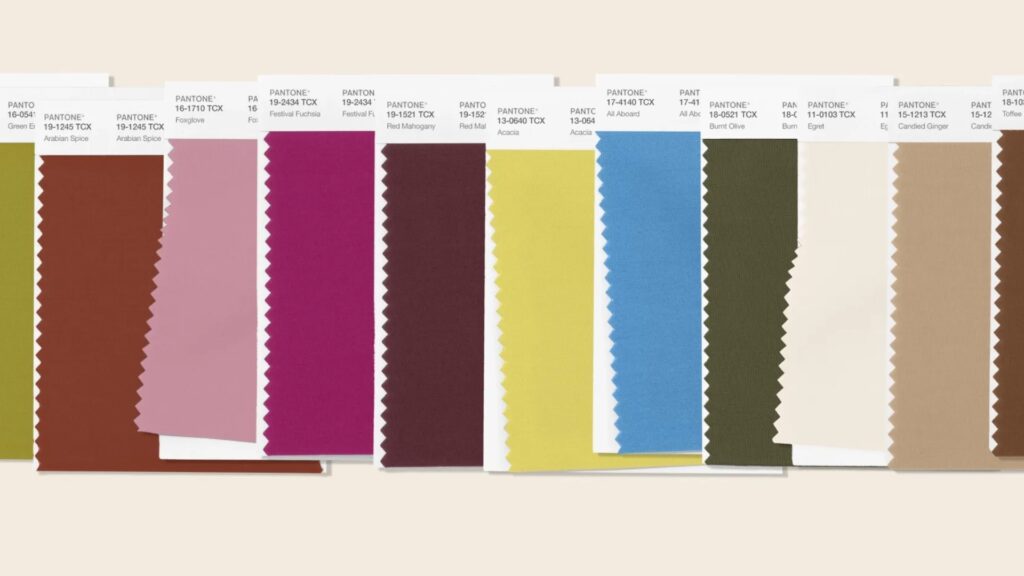
International companies and specialized organizations, such as Pantone, play a key role in predicting which colors will dominate in the coming seasons.
The process of color development in fabrics
Once the trends have been identified, the technical process of applying colors to the fabrics begins. This process involves several steps:
1. Selection of raw materials
Different fibers (natural, synthetic, or recycled) react differently to color, affecting the final result.
2. Dye Formulation
Experts develop specific formulas to ensure that the color accurately reflects the defined trend.
3. Laboratory tests
Tests are conducted to evaluate:
- Wash resistance
- Color fastness
- Reaction to Light and Wear
4. Production and Quality Control
Color must be consistent across large volumes, which requires strict control throughout the entire production process.
The Role of Sustainability in Colors
Today, color trends in fabrics are increasingly linked to sustainability. This is reflected in:
- Use of eco-friendly dyes
- Dyeing processes that use less water
- Technologies that reduce chemical waste
Innovation in this area has made it possible to create vibrant colors with a lower environmental impact, meeting the demands of a more environmentally conscious market.
How Colors Influence the Textile Market
Colors aren’t just an aesthetic choice—they’re a strategic tool. Color trends in fabrics can:
- Determining the Success of a Collection
- Influencing purchasing decisions
- Strengthen a brand’s positioning
- Build an emotional connection with the consumer
Therefore, monitoring and correctly interpreting these trends is essential for companies in the industry.
Future trends: What can we expect?
The future of color trends in fabrics points toward:
- More natural color palettes inspired by nature
- Digital and futuristic tones
- Colors tailored to different contexts (well-being, technology, sustainability)
- Personalization Through Technology
The combination of innovation and creativity will continue to shape the direction of colors in the textile industry.
Conclusion
Color trends in textiles are the result of a balance between art, science, and strategy. From trend forecasting to the technical application of colors on materials, each step is crucial to ensuring that colors reach the market with quality and impact.
For brands and industry professionals, such as Simetex, understanding this process is essential to creating products that are relevant, competitive, and aligned with the future of the industry.